

How to Grow a Small Business in Nigeria: Practical Strategies
Starting a small business is an important achievement, but building it into a sustainable and profitable operation requires consistent effort. Many Nigerian entrepreneurs establish businesses with promising products or services but struggle to attract enough customers, manage expenses, compete effectively or expand beyond their initial market.
Business growth does not happen simply because a company has been operating for several years. It requires a deliberate strategy for increasing customer demand, improving service delivery, controlling costs and creating opportunities for repeat sales.
Whether you operate a retail shop, professional service company, distribution business, online store or manufacturing enterprise, this guide explains practical ways to grow your small business in Nigeria.
1. Understand Why Your Business Is Not Growing
Before investing more money in marketing or expansion, identify what is limiting your business. The problem may not be a lack of advertising. It could be pricing, poor customer service, limited product availability, weak distribution or an unclear business offer.
Review the following areas:
- Are enough potential customers discovering your business?
- Do people enquire but fail to complete purchases?
- Are your prices competitive and commercially sustainable?
- Are customers satisfied with your products or services?
- Do customers return or recommend your business?
- Can your current operations handle additional orders?
- Are operating expenses reducing your profit?
Use actual sales records, customer feedback and financial information to identify the main obstacles. This helps you focus your resources on the areas that need improvement.
2. Define Your Ideal Customers
Trying to sell to everybody can make marketing expensive and ineffective. A growing business needs a clear understanding of the customers most likely to purchase its products or services.
Identify your target customers by considering:
- Their location and accessibility.
- Their needs and purchasing habits.
- Their budgets and preferred price range.
- The problems they want solved.
- Where they search for products and services.
- What influences their purchasing decisions.
For example, a company selling office equipment may target schools, corporate organisations, government contractors and small businesses rather than relying entirely on individual consumers.
A specific target market makes it easier to create relevant marketing messages and identify the right sales channels.
3. Improve Your Online Business Visibility
Customers increasingly use online searches and digital platforms to find businesses, compare services and evaluate available options. If potential customers cannot easily discover your business, you may lose opportunities to competitors with a stronger online presence.
Improve your visibility through several complementary channels.
Create a professional website or business profile
Provide clear information about your business, including its name, location, contact details, products, services and operating arrangements. Use professional images and explain what makes your offer valuable.
Optimise your content for search engines
Use relevant search terms naturally throughout your website. Create useful pages answering questions customers may ask about your products, services, prices and locations.
List your business on discovery platforms
Business discovery platforms can help people find companies when searching for particular services or products. Maintain accurate business information and update your listing when your contact details or offerings change.
Adspero is a hybrid customer acquisition and business visibility platform that helps businesses improve their online discoverability through listings, SEO-focused visibility, advertising and customer acquisition tools. Businesses can explore promotional opportunities at Adspero.com.
4. Develop a Consistent Customer Acquisition Strategy
A business cannot grow sustainably without a reliable way to attract new customers. Do not depend entirely on occasional referrals or customers who happen to walk into your shop.
Build a customer acquisition strategy around channels that are relevant to your market.
Use targeted advertising
Online advertising can help businesses reach people based on factors such as location, interests and search behaviour. Start with a defined audience and a clear campaign objective.
Monitor how much you spend, the number of relevant enquiries generated and how many enquiries become paying customers.
Build referral partnerships
Identify businesses and professionals that serve customers who may also need your products or services. Establish mutually beneficial referral relationships with clear expectations.
Use direct business outreach
If you sell to other businesses, identify organisations that match your target market. Introduce your company professionally, explain your value and follow up appropriately.
Publish useful content
Educational articles, product demonstrations, practical guides and industry updates can help potential customers understand your expertise and discover your business through online searches.
5. Improve Your Products and Services
Marketing may attract customers, but the quality of your products and services influences whether they purchase again or recommend your business.
Review customer feedback and identify areas where your offer can improve.
- Improve product quality and consistency.
- Offer clear product descriptions and specifications.
- Reduce unnecessary delays in service delivery.
- Provide reliable after-sales support.
- Resolve complaints professionally.
- Introduce useful improvements based on customer feedback.
Do not introduce new products simply to make your catalogue larger. Focus on additions that address customer demand and support the business financially.
6. Build Customer Trust and Encourage Repeat Purchases
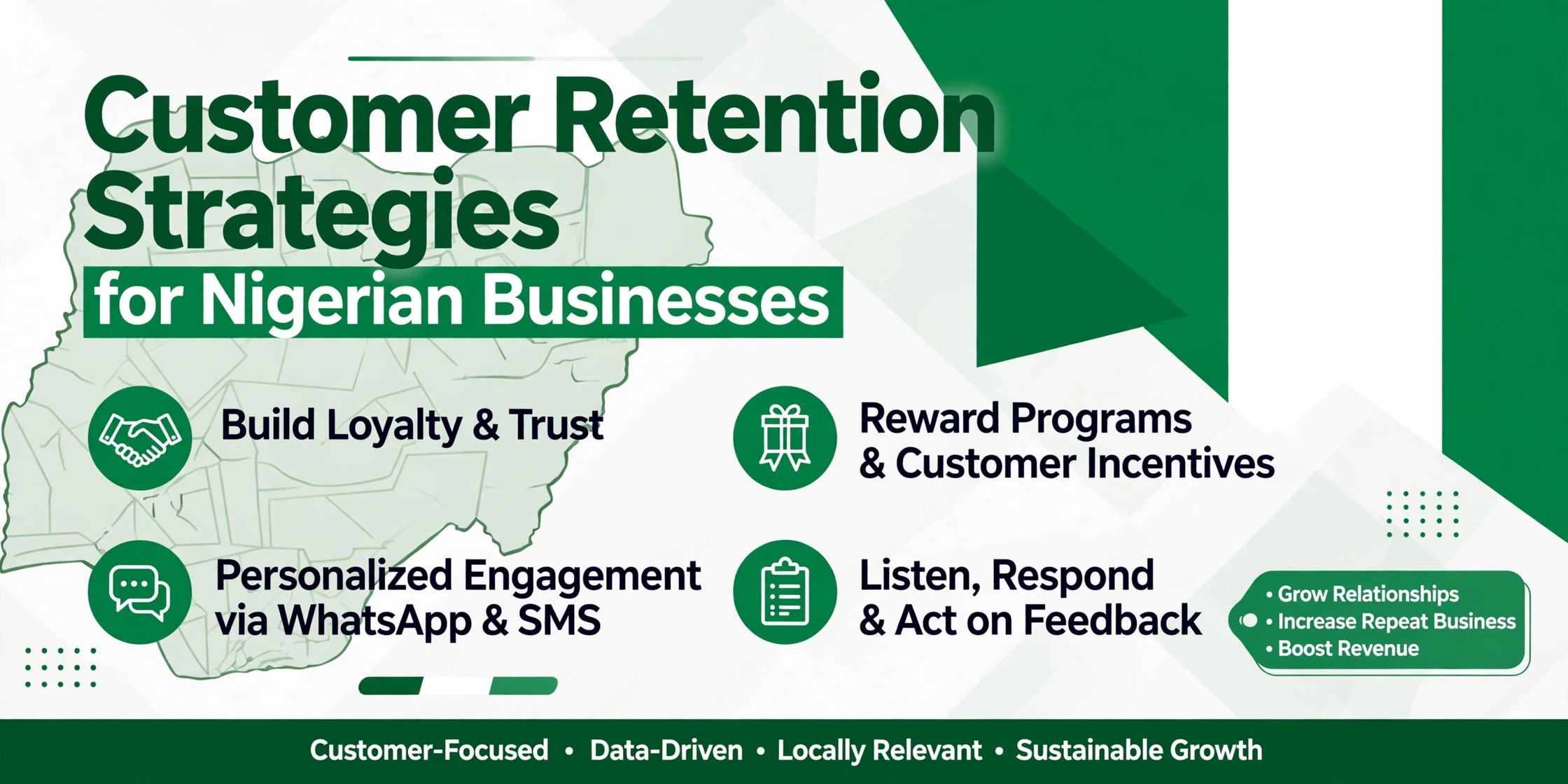
Winning a new customer is only one part of business growth. Retaining existing customers can create recurring revenue and reduce the pressure to continually spend on acquiring new buyers.
Build trust by communicating clearly, delivering what you promise and handling transactions professionally.
Maintain transparent pricing
Explain your prices, additional charges, payment arrangements and delivery conditions before customers commit to a purchase.
Communicate consistently
Respond to enquiries promptly and keep customers informed about orders, service progress and any unexpected changes.
Follow up after sales
Ask customers whether they are satisfied with their purchase and provide assistance where necessary. Appropriate follow-up can strengthen relationships and create opportunities for future sales.
Encourage genuine customer reviews
Invite satisfied customers to share honest feedback. Reviews can help potential buyers understand other people's experiences, provided they are authentic and not misleading.
7. Manage Your Business Finances Properly
Increasing revenue does not automatically mean your business is becoming more profitable. A company may record higher sales while operating expenses, unpaid invoices and inventory costs continue to increase.
Monitor important financial areas:
- Revenue: Total income generated from sales and services.
- Gross profit: Revenue remaining after direct costs of goods or services sold.
- Operating expenses: Costs required to run the business.
- Cash flow: The movement of money into and out of the business.
- Outstanding payments: Money owed by customers or due to suppliers.
- Working capital: Resources available to support everyday operations.
Maintain accurate records, review spending regularly and avoid using business funds without proper documentation.
8. Use Technology to Improve Efficiency
Technology can help small businesses reduce repetitive tasks, improve customer communication and organise operations. You do not need expensive enterprise software to begin improving your processes.
Depending on your business, consider using:
- Accounting and bookkeeping software.
- Inventory and order management systems.
- Customer relationship management tools.
- Online payment solutions.
- Business messaging and live chat tools.
- Website analytics and marketing reporting.
- Automation tools for routine administrative tasks.
Select tools that solve actual operational problems. Train employees where necessary and ensure important business information is stored securely.
9. Build a Strong Team
As a business grows, the owner may no longer be able to handle every responsibility personally. Employees and external professionals can help improve service delivery and create additional operating capacity.
Identify roles that are essential to your business, such as sales, customer support, operations, finance, logistics or technical delivery.
Set clear responsibilities, performance expectations and reporting procedures. Recruitment should reflect actual business needs and the company's ability to sustain the associated costs.
10. Expand Your Market Carefully
Once your business has established demand in its initial market, you may consider reaching additional customers or entering new locations.
Possible expansion strategies include:
- Serving additional neighbourhoods or cities.
- Introducing complementary products.
- Developing wholesale or distribution relationships.
- Targeting corporate and institutional customers.
- Opening additional sales channels.
- Developing online ordering and delivery arrangements.
Before expanding, confirm that your existing business model is financially and operationally stable. Calculate the extra costs and research demand in the proposed market.
11. Create a Practical Business Growth Plan
Business growth becomes easier to manage when objectives are specific and measurable. Instead of simply deciding to increase sales, define what you want to achieve and how progress will be evaluated.
A simple 90-day growth plan could include:
First 30 days: Strengthen the foundation
- Review existing sales and operating expenses.
- Identify the most valuable customer segments.
- Improve business information and online profiles.
- Review pricing and customer feedback.
- Identify the main obstacles to growth.
Days 31 to 60: Increase customer acquisition
- Launch targeted marketing campaigns.
- Publish useful search-friendly content.
- Develop referral and partnership relationships.
- Follow up with existing customers.
- Track enquiries and completed sales.
Days 61 to 90: Measure and improve
- Review which marketing channels generate paying customers.
- Calculate customer acquisition costs.
- Improve weak areas of the sales process.
- Review customer retention and repeat purchases.
- Prepare the next stage of the growth plan.
Set targets that reflect your business size, available resources and actual market conditions. The purpose is to create measurable progress, not arbitrary sales promises.
Growing a Small Business Across Nigeria
Businesses looking to expand nationally should understand the differences between markets, customer preferences, transport networks and operating costs across locations.
Opportunities can be researched in Abia, Adamawa, Akwa Ibom, Anambra, Bauchi, Bayelsa, Benue, Borno, Cross River, Delta, Ebonyi, Edo, Ekiti, Enugu, Gombe, Imo, Jigawa, Kaduna, Kano, Katsina, Kebbi, Kogi, Kwara, Lagos, Nasarawa, Niger, Ogun, Ondo, Osun, Oyo, Plateau, Rivers, Sokoto, Taraba, Yobe and Zamfara, as well as the Federal Capital Territory, Abuja.
For example, a distributor considering expansion should research local retailers, purchasing volumes, supplier access and delivery costs in each proposed market. A professional services company may be able to reach customers in multiple states through online consultations and digital communication.
National expansion should be supported by a reliable delivery or service model, clear customer communication and an understanding of the requirements in each location.
Common Reasons Small Businesses Struggle to Grow
Depending only on word-of-mouth marketing
Referrals can be valuable, but they may not provide a consistent flow of new customers. Combine referrals with other suitable customer acquisition channels.
Competing only on price
Constantly lowering prices can reduce profit margins. Communicate the quality, reliability, convenience and value customers receive instead of relying exclusively on discounts.
Ignoring customer feedback
Unresolved complaints and repeated service problems can damage customer relationships. Use feedback to identify weaknesses and improve your offer.
Expanding without sufficient working capital
Additional stock, staff, premises and delivery arrangements require money. Calculate the financial implications before taking on new commitments.
Failing to measure results
Without reliable records, it is difficult to know which activities are generating revenue and which are wasting resources. Track sales, costs and customer acquisition performance consistently.
Frequently Asked Questions About Growing a Small Business in Nigeria
How can I grow my small business in Nigeria?
Understand your customers, improve your products or services, strengthen online visibility, develop a consistent customer acquisition strategy, manage finances carefully and encourage repeat purchases. Measure results and invest in the channels that generate sustainable returns.
How can I get more customers for my business?
Use a combination of search engine optimisation, business listings, targeted advertising, social media, referrals, partnerships and direct outreach. Focus on reaching people who are likely to need and pay for your products or services.
Does a small business need a website?
A website can help customers understand your business, explore your products and contact you. Its importance depends on your industry and customer behaviour, but a professional online presence can support credibility and discovery.
How long does it take for a small business to grow?
There is no fixed timeline. Growth depends on industry conditions, demand, capital, competition, business execution and the effectiveness of customer acquisition activities. Some businesses grow gradually, while others require a longer period to establish a stable customer base.
Should I borrow money to expand my business?
Borrowing may be appropriate when the investment has a realistic financial return and the business can manage repayment obligations. Review cash flow, interest costs, repayment terms and potential risks before taking on debt.
What is the most important factor in business growth?
There is no single factor that guarantees growth. A strong combination of customer demand, a valuable offer, effective marketing, reliable operations, financial discipline and customer retention provides a better foundation for sustainable expansion.
Conclusion
Growing a small business in Nigeria requires more than increasing advertising expenditure or opening additional locations. It involves understanding customers, creating value, improving visibility, managing finances and developing reliable systems that support consistent service delivery.
Start by identifying what is limiting your business, then prioritise the changes that can make the greatest commercial difference. Track your results, listen to customers and expand only when the business is ready.
Make it easier for potential customers to discover your business. Visit Adspero.com to explore business visibility, listings and customer acquisition opportunities that can help businesses reach people searching for products and services across Nigeria.
Recent Posts




Get Your Business Discovered
Put your brand in front of thousands of Nigerian customers today.
Start Ads View pricing plans →